From the Andes to the Rockies: Dr. Sisimac Duchicela joins CU Boulder
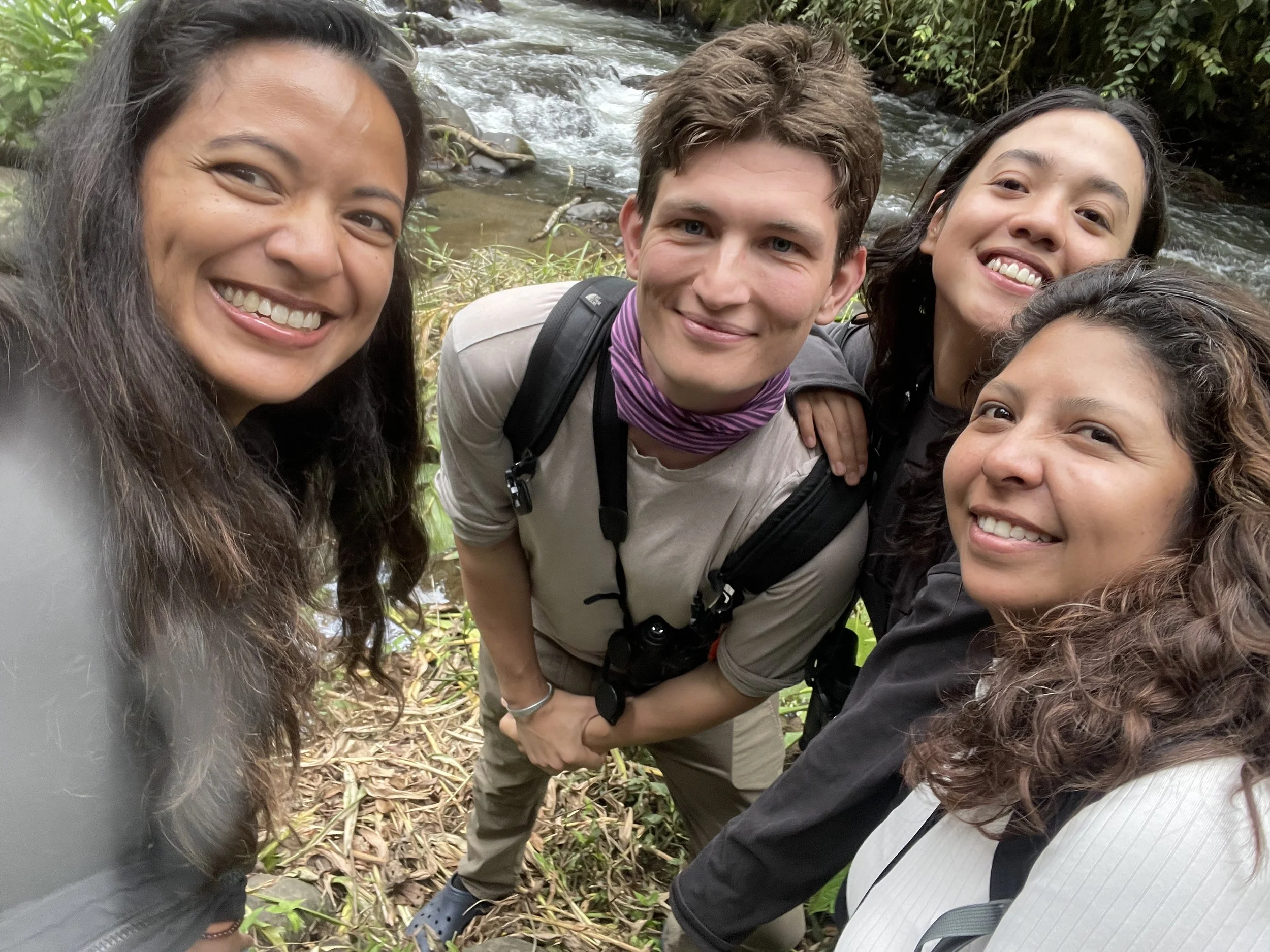
INSTAAR welcomed its latest faculty fellow in January. Sisimac Duchicela is an ecologist, botanist and biogeographer. Her research investigates climate change, ecology and human-ecosystem relationships in the Andes.
Duchicela will continue to investigate tropical alpine ecosystems, sustainable management practices and community-driven development at INSTAAR. She is particularly interested in how Andean ecosystems are changing in the 21st century, and what this means for local and indigenous people. Duchicela will also develop comparative climate change studies between tropical mountains and the Rockies, with the goal of understanding how the entire latitudinal range of these ecosystems will change.
“Global environmental change is altering the way humans interact with their environment and, in turn, the feedback obtained from these ecosystems,” she said.
In the past, Duchicela has worked closely with Andean Indigenous and farming communities to design and monitor ecological restoration projects, implement climate change simulation experiments and propose adaptation strategies. She is also an expert in the taxonomy, ecology, and biology of tropical alpine vegetation in the Andes — a field that she had contributed to for more than 15 years.
INSTAAR director Nicole Lovenduski said that Duchicela’s interdisciplinary background and rigorous approach were major drivers behind INSTAAR’s decision to hire her.
“Dr. Duchicela’s research program is focused on alpine ecology, an area that has been a core strength of INSTAAR since its inception. She studies these rapidly changing alpine regions by bringing together concepts from ecology, botany, biogeography, and ecological restoration – exactly the type of interdisciplinary approach that INSTAAR values.”
Duchicela holds a PhD in Geography and the Environment from the University of Texas at Austin and a MS in Natural Resources and Environment from the University of Michigan Ann Arbor. Alongside her INSTAAR affiliation, she will hold an assistant professorship in the geography department, where she will teach courses.